
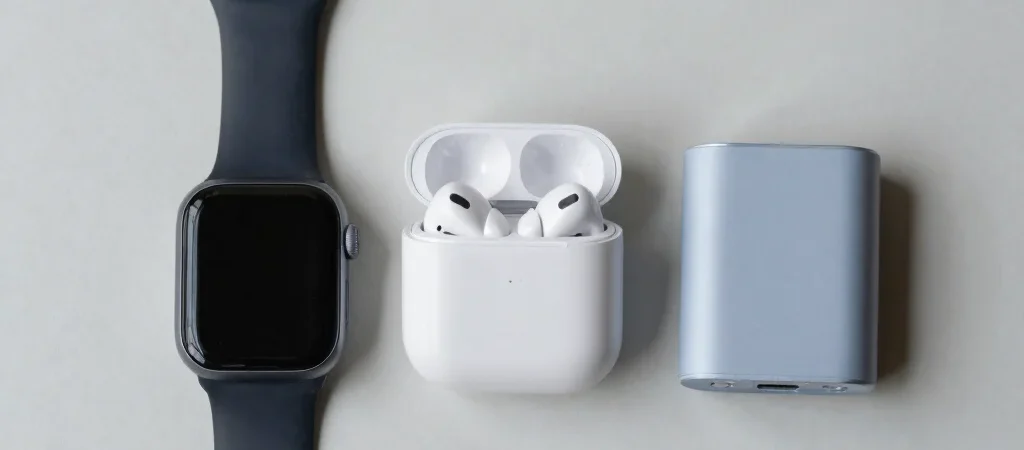
A shopping shortlist can get crowded quickly: a watch promises activity tracking, earbuds promise fewer distractions, and a small gadget claims to solve an everyday annoyance. The simplest way to compare them is to name the moment you want to improve. If you cannot picture when you would use a feature, it probably should not decide the purchase.
Name the Everyday Problem
Write down one or two specific situations before browsing. Maybe you want to see calls while your phone is in a bag, listen to a podcast on the train, or keep a charging cable organized at your desk. A clear use case makes it easier to ignore specs that sound impressive but do not solve that particular problem.
Compare Cost Beyond Checkout
The purchase price is only part of the comparison. Check whether an accessory, replacement part, subscription, or particular phone app is needed to use the feature you care about, and confirm what is included in the box. For wearables and earbuds, compatibility and comfort can matter more than a small difference in listed features.
Make a Shortlist You Can Defend
Choose a few options and compare them on the same questions: does it work with your devices, does it address your everyday problem, and is the trade-off acceptable at its price? Then check the manufacturer’s current specifications and return terms, since product details can change. Some links on Smart Gadget Reviews may be affiliate links that earn us a commission; our goal is to make the comparison understandable, not to make every gadget sound necessary.